What Is PVD Coating? The Science Behind the Finish
Physical Vapor Deposition explained without the jargon: how metal vapor becomes a bonded, durable finish — and why it outlasts conventional plating.
A finish that is built, not painted
Physical Vapor Deposition — PVD — is a coating process that happens in a vacuum chamber rather than in a paint booth or a plating bath. Inside the chamber, a solid source metal such as titanium or zirconium is vaporised. Those metal atoms travel through the vacuum and condense onto the surface of the part being coated, building up an extremely thin, extremely hard layer that is bonded to the substrate at the atomic level.
That last part is the point. A PVD layer is not a skin sitting on top of the metal the way paint or lacquer does. It becomes part of the surface itself, which is why it does not peel, flake or blister the way applied coatings can.
Why the colours are so stable
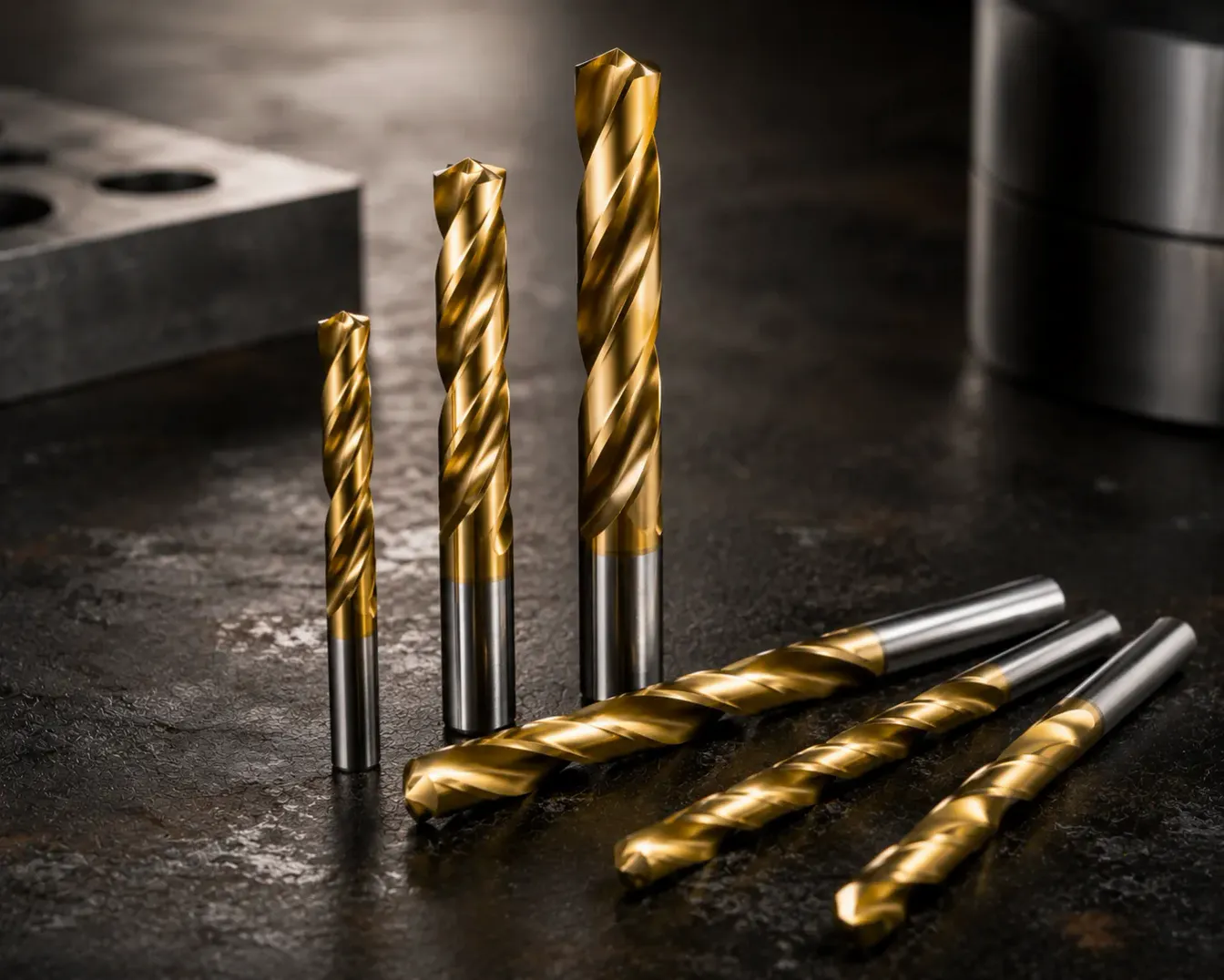
The colours you see on PVD-finished products — golds, bronzes, blacks, rose tones — are not pigments. They come from the specific compound formed during deposition, such as titanium nitride for classic gold tones. Because the colour is a property of the material rather than a dye, it does not fade in sunlight the way pigmented finishes gradually do, and it stays consistent from batch to batch.
What the process gives you in practice
- Hardness: PVD layers are significantly harder than the underlying metal, which translates to real scratch resistance in daily use.
- Corrosion resistance: the dense, uniform layer acts as a barrier against moisture and everyday chemicals.
- Thinness: the coating is measured in microns, so it never softens edges, fills engraving or changes the fit of a machined part.
- Cleanliness: the process uses no plating baths and no solvent carriers, making it one of the more environmentally responsible ways to finish metal.
Where you meet PVD every day
Watch cases, premium faucets, door hardware, mobile phone frames, architectural cladding — anywhere a metal surface needs to look precious and behave industrially. In our own work the same process finishes gates, railings, furniture fittings, sanitary ware and architectural metalwork, each with the coating chemistry chosen for how and where the part will live.
If you are specifying a finish for a project and want to understand whether PVD suits it, our team is happy to talk through the application — reach us through the contact page.